Physical Address
I-14/4, Islamabad, Pakistan
Table of Contents
ToggleArtificial intelligence in HR is changing the way human resources department’s function. With AI in HR solutions, HR teams can automate routine tasks, reduce errors, and improve decision-making. Using ai HR tools, professionals can focus on strategy, employee engagement, and talent development rather than manual administrative work.
From recruiting and training to performance management and employee well-being, AI human resources platforms provide insights that were previously impossible to track efficiently. HR managers who adopt these technologies gain a competitive advantage by identifying top talent faster, improving productivity, and ensuring a more engaged workforce.
In this guide, we will explore the major areas where ai HR tools can make a real difference, providing HR leaders with actionable insights and guidance. Whether you are just starting with AI or looking to optimize your current HR tech stack, this article will serve as your roadmap to integrating AI tools for human resources effectively.
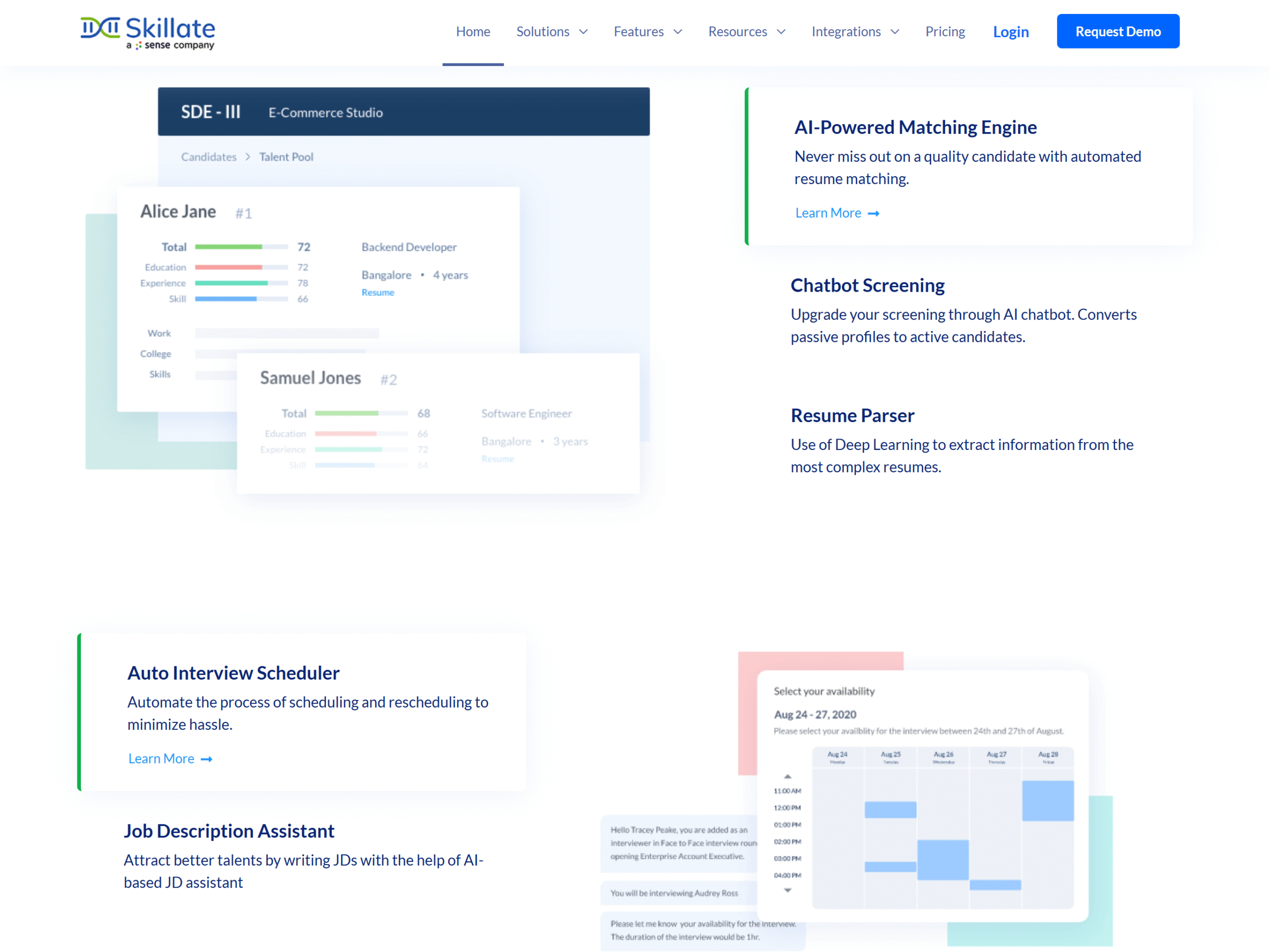
Recruitment is one of the most time-consuming aspects of HR, but AI can make the process faster and more effective. Artificial intelligence in HR enables HR teams to automatically screen resumes, rank candidates, and identify those who are the best fit for the role. Ai HR software uses algorithms to reduce bias, helping organizations hire more diverse talent while improving efficiency.
With AI-powered recruitment solutions, HR managers can focus on building relationships with candidates rather than performing repetitive administrative tasks. HR ai tools often include features like predictive analytics, candidate scoring, and interview scheduling, making the recruitment process more precise and transparent.
Additionally, AI tools for human resources can help HR teams craft better job descriptions, analyze candidate data for patterns, and predict which hires are likely to succeed. Implementing these solutions allows HR departments to save time, improve candidate experience, and make more strategic hiring decisions
Zoho Recruit is a versatile applicant tracking system (ATS) that is particularly useful for small to medium HR teams looking to leverage artificial intelligence in HR. With its free plan, HR professionals can post one active job at a time, track candidates efficiently, and schedule interviews seamlessly. The platform simplifies recruitment workflows, making it easier for teams to manage candidate pipelines without spending a fortune.
Uses: Zoho Recruit helps HR teams streamline candidate sourcing, track applicant progress, and organize interviews. It supports HR departments in improving efficiency, reducing manual effort, and implementing modern ai HR tools for better recruitment decisions. By integrating AI-powered resume parsing and candidate tracking, it allows teams to focus on the most promising candidates while ensuring no one gets overlooked.
Pros:
Cons:
Zoho Recruit demonstrates how AI tools for human resources can enhance traditional hiring practices, ensuring HR teams spend less time on administrative tasks and more time engaging with candidates strategically.
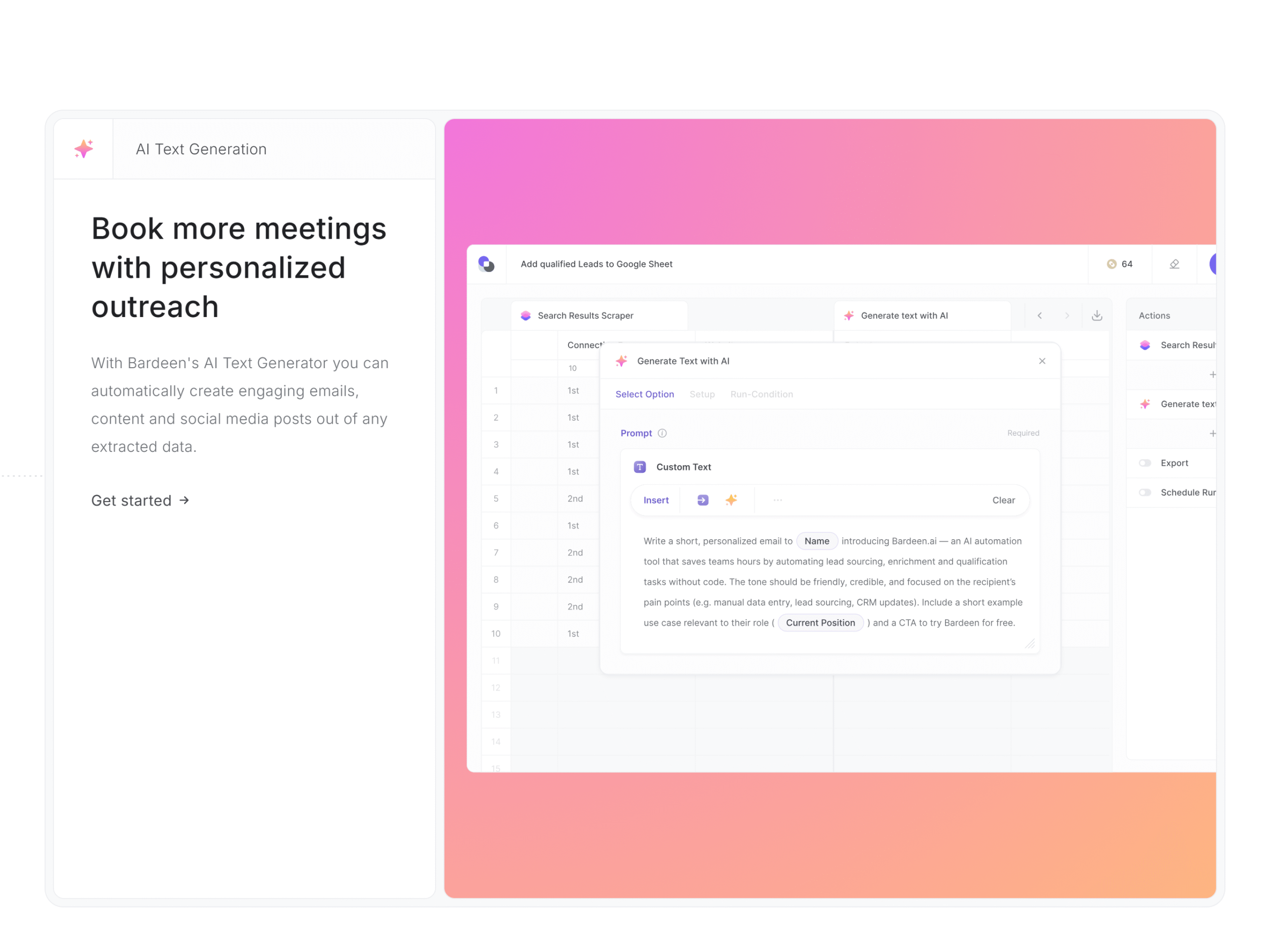
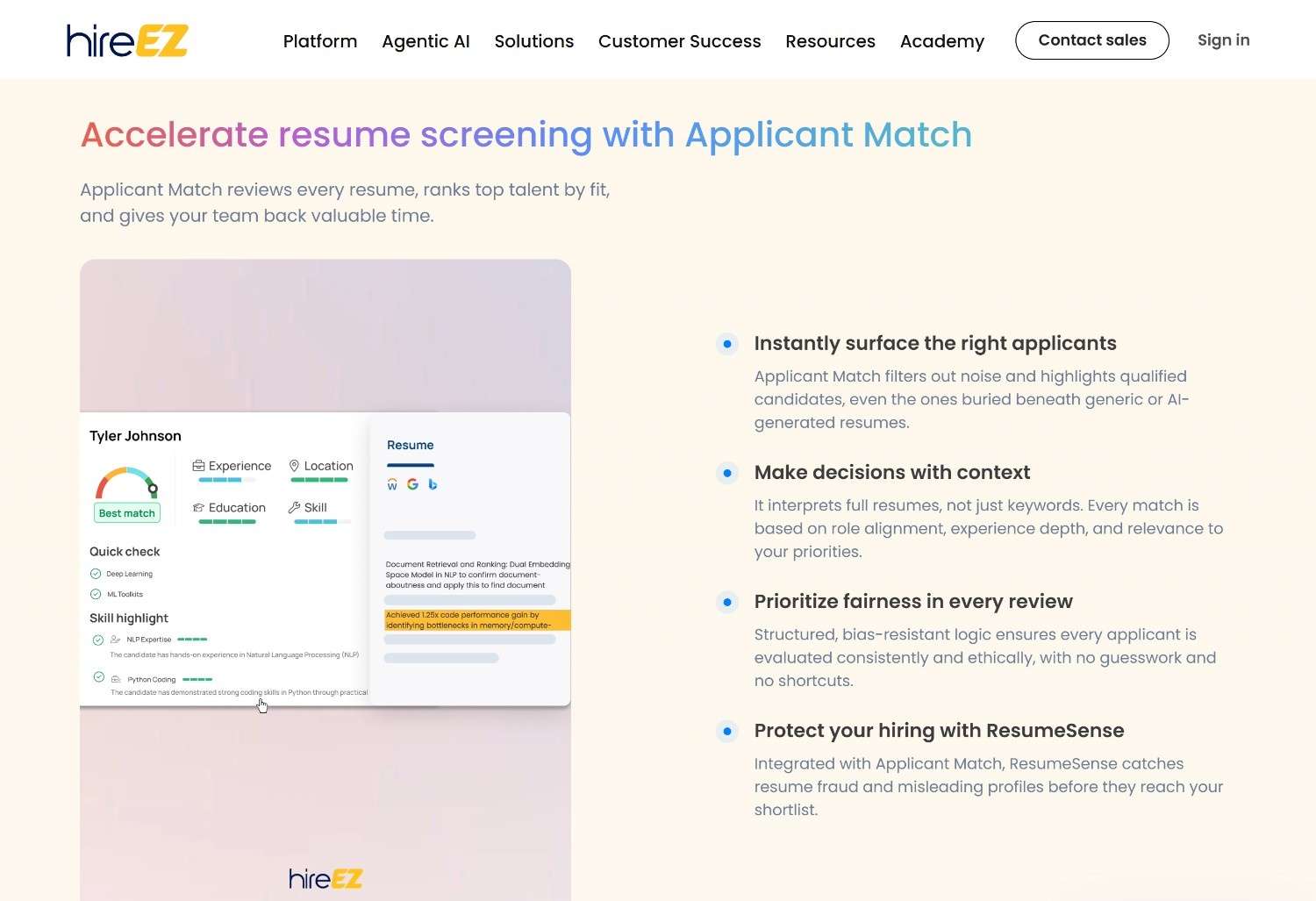
HireEZ is an AI-driven candidate sourcing and screening platform designed to accelerate recruitment. It leverages ai HR technology to scan large candidate pools, rank applicants, and suggest the most suitable candidates based on job requirements. Even with the free or trial version, HR teams can experience the benefits of artificial intelligence in HR by automating time-consuming sourcing tasks.
Uses: HireEZ helps in sourcing passive candidates, shortlisting applicants efficiently, and managing talent pipelines. Analyzing skills, experience, and past employment, it assists HR teams in identifying top talent quickly. This makes it an essential HR ai tool for organizations aiming to implement modern recruitment processes.
Pros:
Cons:
HireEZ showcases how AI tools for human resources can transform recruitment by combining automation, AI-driven insights, and efficient candidate management for improved HR productivity.
Freshteam is a user-friendly HR software that integrates applicant tracking, onboarding, and employee management into a single platform. The free plan supports up to 50 employees, making it ideal for startups and small businesses aiming to explore artificial intelligence in HR without upfront costs.
Uses: HR teams can use Freshteam to manage candidate pipelines, organize interviews, and automate onboarding processes. By consolidating HR functions, it enhances workflow efficiency and allows teams to implement ai HR tools for tasks like resume tracking, employee data management, and reminders for key HR actions.
Pros:
Cons:
Freshteam is an excellent entry point for HR teams looking to adopt HR ai tools, combining traditional HR functions with AI-assisted processes to save time and enhance employee experience.
Employee training is critical to organizational growth, and AI can significantly enhance learning programs. Artificial intelligence in HR can create personalized learning experiences based on employee skills, performance, and learning preferences. Ai HR tools allow HR teams to automate content delivery, track progress, and generate recommendations for skill development.
With AI tools for human resources, training programs can be tailored to each employee, ensuring engagement and improved retention of knowledge. AI can analyze past performance and learning outcomes to suggest the next steps for professional development. This makes the learning process more efficient and aligned with organizational goals.
HR ai tools also allow managers to monitor training completion rates, identify skill gaps, and optimize learning paths. By leveraging AI human resources solutions for training, organizations can reduce costs associated with traditional training programs while maximizing learning impact.
EdApp is a microlearning platform designed to deliver engaging, bite-sized training modules for employees. It enables HR teams to incorporate AI in HR learning initiatives efficiently. By providing interactive courses, quizzes, and gamified content, EdApp ensures employees stay engaged while upskilling in relevant areas.
Uses: EdApp is ideal for employee training, compliance education, skill development, and performance improvement. HR teams can build customized learning paths, track progress, and ensure knowledge retention. It exemplifies AI tools for human resources that make training scalable, measurable, and interactive.
Pros:
Cons:
EdApp is an essential AI human resources tool, helping HR teams deliver consistent, engaging, and trackable training experiences to employees without high costs.
Skillshare offers a vast library of online courses covering soft skills, technical skills, and leadership. HR teams can utilize Skillshare to enhance artificial intelligence in HR strategies by upskilling employees and fostering continuous learning.
Uses: Skillshare can be used for onboarding, leadership development, or upskilling employees in technology, management, and soft skills. It is an accessible ai HR tool for organizations that want to build learning cultures while maintaining cost-effectiveness.
Pros:
Cons:
Skillshare is a practical AI tool for human resources solutions for HR teams, focusing on professional development and employee retention through learning.
LearnUpon is a learning management system (LMS) that allows HR teams to design, deliver, and track training programs. It integrates ai HR tools to help HR departments provide efficient learning experiences that enhance employee skills and compliance.
Uses: HR teams can create courses for onboarding, skills training, compliance, and leadership development. The platform allows tracking employee progress and measuring training effectiveness, aligning perfectly with AI human resources strategies.
Pros:
Cons:
LearnUpon is a strong HR ai tool for teams seeking scalable, trackable, and AI-informed training solutions.
Scheduling employees can be a complex and time-consuming task, particularly for large teams or shift-based organizations. Ai HR tools can automatically generate schedules based on employee availability, skills, and workload requirements. This minimizes conflicts, reduces manual errors, and ensures fair distribution of shifts.
By using artificial intelligence in HR, HR teams can predict staffing needs and adjust schedules dynamically when unexpected changes occur. HR ai tools also provide insights into patterns of absences, peak workload periods, and overtime, allowing managers to make data-driven decisions.
AI tools for human resources simplify the scheduling process and reduce stress for managers and employees alike. Teams can focus on strategic HR initiatives instead of spending hours on administrative tasks. These tools are especially useful for industries like retail, healthcare, and customer support, where staff scheduling can be highly challenging.
When I Work is a staff scheduling platform that helps HR teams manage shifts, time-off requests, and notifications efficiently. It supports artificial intelligence in HR by automating repetitive scheduling tasks and reducing errors.
Uses: Scheduling shifts, tracking attendance, and coordinating remote or on-site teams. HR can focus on strategy instead of manual roster management, implementing ai HR tools to improve operational efficiency.
Pros:
Cons:
When I Work demonstrates how AI tools for human resources can save time and improve workforce management for HR teams.
Homebase is a free scheduling, time-tracking, and team communication platform. It allows HR teams to implement ai HR strategies for staff management, attendance tracking, and scheduling.
Uses: HR teams can manage shifts, track working hours, communicate schedules, and simplify payroll preparation. It helps integrate AI human resources practices by automating repetitive administrative tasks.
Pros:
Cons:
Homebase is an effective HR ai tool for streamlining scheduling and attendance, demonstrating practical applications of AI tools for human resources in everyday HR operations.
7shifts is a robust employee scheduling platform primarily for restaurants but adaptable to small businesses. It helps HR teams streamline shift planning, track attendance, and manage time-off requests efficiently. By leveraging ai HR tools, 7shifts reduces scheduling conflicts and allows HR managers to focus on more strategic initiatives.
Uses: HR teams can assign shifts, manage swap requests, communicate with employees, and monitor labor costs. The platform also sends reminders for shifts and updates, ensuring teams are informed and minimizing no-shows. This demonstrates how AI tools for human resources can improve operational efficiency.
Pros:
Cons:
7shifts exemplifies artificial intelligence in HR applied to daily workforce management, making scheduling smarter and reducing administrative workload.
Developing future leaders is a strategic priority for HR, and AI in HR can play a key role. Artificial intelligence in HR analyzes performance data, identifies potential leaders, and provides recommendations for leadership development programs. Ai HR tools give HR managers insights into employee strengths, areas for improvement, and growth opportunities.
With HR ai tools, leadership training becomes more targeted and data-driven. AI can suggest personalized development paths, simulate real-world challenges, and measure the effectiveness of coaching sessions. This allows organizations to nurture talent in a structured and effective way.
AI tools for human resources can also track leadership progress over time, ensuring that high-potential employees are given opportunities to develop skills aligned with organizational goals. By adopting these AI solutions, HR teams can build strong, capable leaders ready to take on future challenges.
MentorcliQ is a mentoring platform that allows HR teams to implement leadership development programs with AI support. By integrating ai HR tools, it helps identify potential leaders, match mentors and mentees, and track mentorship progress efficiently.
Uses: HR teams can create structured mentorship programs, monitor progress, and provide personalized development paths. This enables organizations to build internal leadership capacity, an essential part of AI human resources strategies.
Pros:
Cons:
MentorcliQ demonstrates how AI tools for human resources can help cultivate future leaders while enhancing HR’s strategic role in employee development.
CHRonus is a mentoring and career development software that integrates AI to help HR teams manage employee growth programs. Using artificial intelligence in HR, CHRonus automates mentor-mentee matching, tracks program engagement, and provides insights on development effectiveness.
Uses: HR teams can implement leadership programs, mentorship initiatives, and career path tracking. This platform exemplifies ai HR technology applied to human development and succession planning.
Pros:
Cons:
CHRonus allows HR teams to implement HR ai tools for leadership and career development, demonstrating practical AI in HR applications.
EdApp’s leadership-focused training modules help HR teams build managerial skills and foster employee development. This is a key example of artificial intelligence in HR, as HR teams can track progress and customize learning paths.
Uses: Courses support employee onboarding, leadership upskilling, and compliance training. By integrating ai HR tools, HR teams can monitor engagement, performance, and learning effectiveness efficiently.
Pros:
Cons:
EdApp Leadership Courses empower HR teams to apply AI human resources techniques for consistent and engaging training experiences.
Automation is one of the biggest benefits of AI human resources solutions. Artificial intelligence in HR can handle repetitive administrative tasks like onboarding, payroll, leave management, and document processing, allowing HR teams to focus on strategic work.
Ai HR tools improve accuracy, reduce errors, and ensure compliance by monitoring processes and flagging inconsistencies automatically. HR ai tools can generate reports, maintain records, and even respond to common HR queries without human intervention.
By leveraging AI tools for human resources, organizations save time and reduce operational costs while improving employee satisfaction. HR staff can concentrate on building engagement programs, training, and performance initiatives instead of manual processes. Automation also allows for faster decision-making and more consistent execution of HR policies.
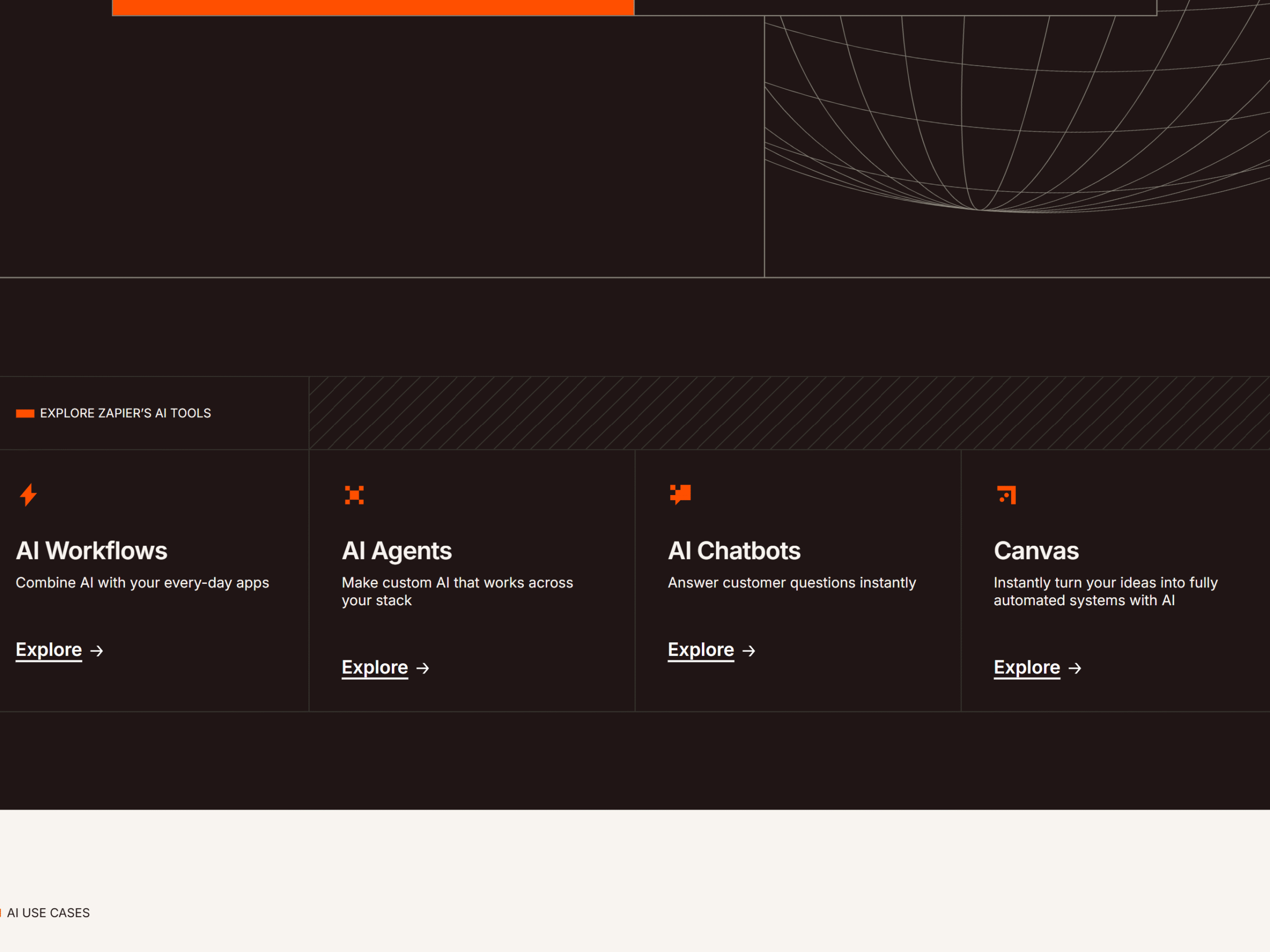
Zapier is an automation tool that connects HR applications to automate repetitive tasks. It allows HR teams to implement ai HR tools workflows without coding, saving time and reducing errors.
Uses: HR teams can automate onboarding emails, data entry, and notifications. This streamlines daily processes and demonstrates AI in HR by reducing administrative workload.
Pros:
Cons:
Zapier illustrates artificial intelligence in HR applied to workflow automation, helping HR professionals focus on strategic priorities.
IFTTT automates repetitive HR tasks by connecting apps through simple “If This Then That” rules. Using ai HR tools, HR teams can automate reminders, notifications, and routine administrative processes.
Uses: Automate emails, employee notifications, and data updates. Supports AI human resources initiatives by simplifying operations.
Pros:
Cons:
IFTTT demonstrates practical AI tools for human resources, improving efficiency with minimal effort.
Microsoft Power Automate connects Office apps and other HR systems to automate workflows. It enables HR teams to implement artificial intelligence in HR without complex coding.
Uses: Automate document approvals, onboarding notifications, and employee communications. Supports ai HR initiatives by reducing manual effort and errors.
Pros:
Cons:
Power Automate allows HR teams to leverage AI human resources technology efficiently, streamlining processes across departments.
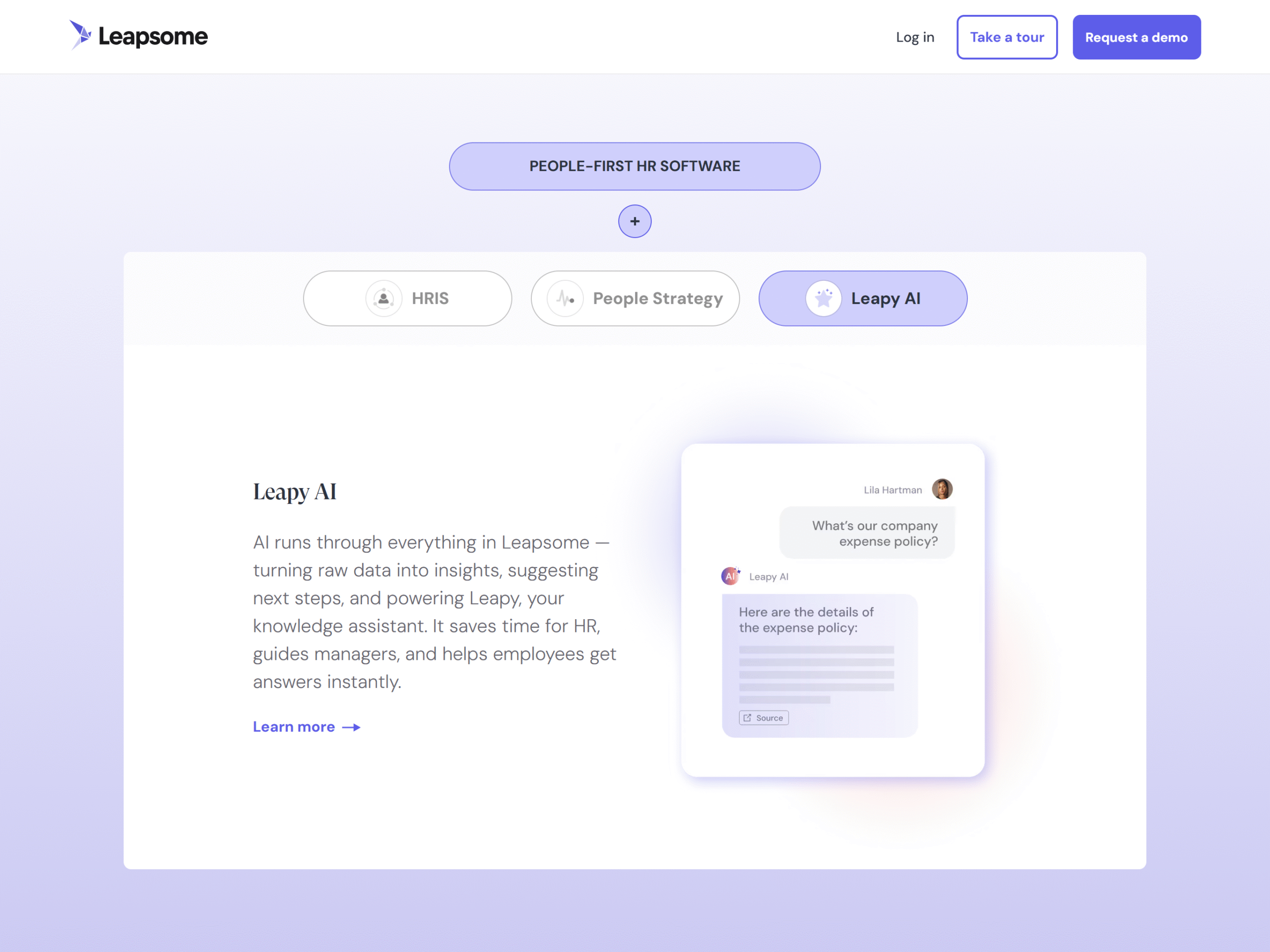
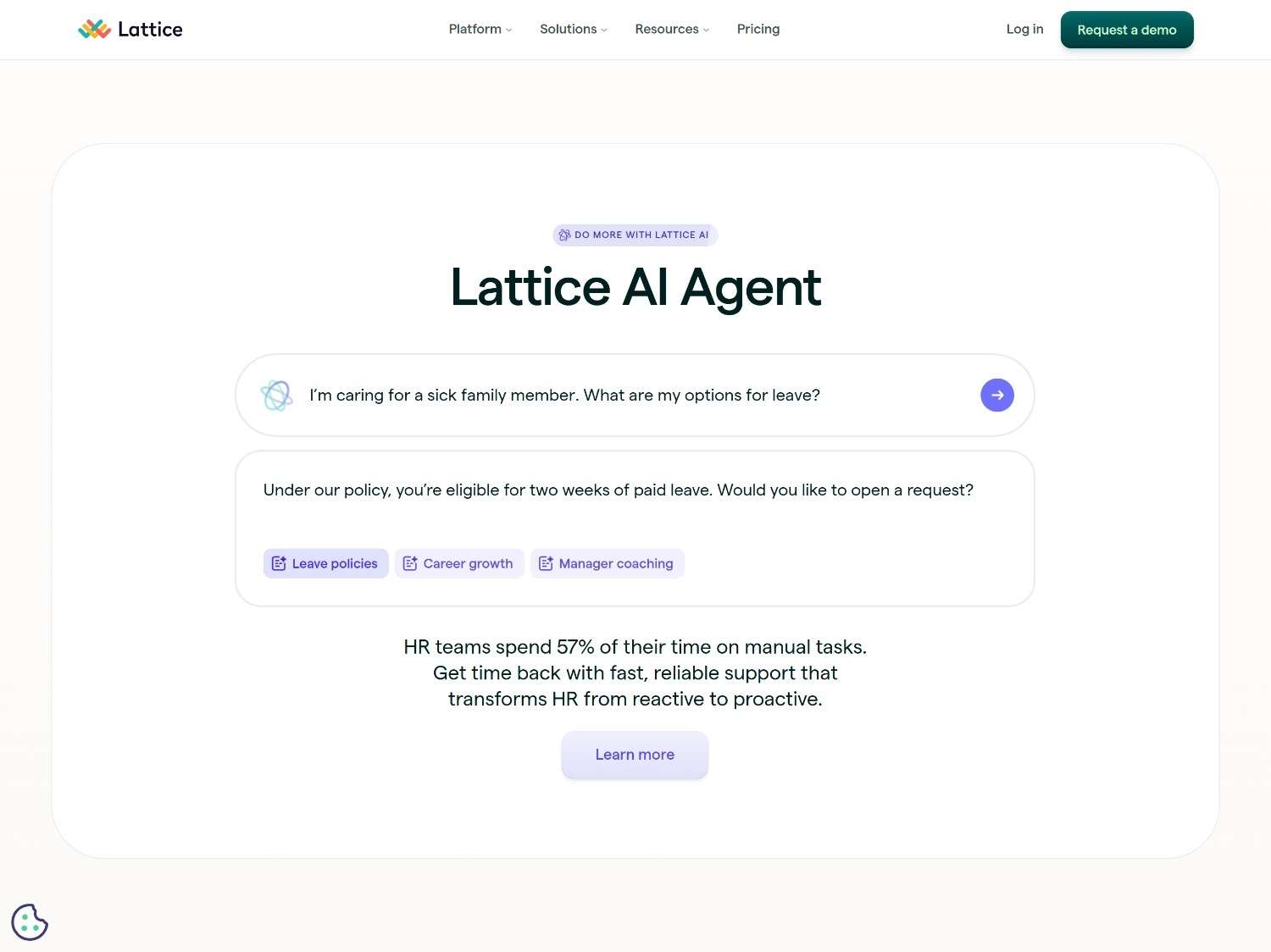
HR chatbots and virtual assistants are transforming internal communication. Ai HR tools allow employees to get instant answers to HR-related questions, submit requests, and access information 24/7. Artificial intelligence in HR ensures that these interactions are accurate, fast, and personalized.
HR ai tools can handle tasks like answering FAQs, guiding employees through onboarding, or providing policy explanations. This reduces the workload on HR teams and improves employee satisfaction. AI tools for human resources also enable analytics on employee interactions, helping HR identify recurring issues and optimize processes.
With AI chatbots, organizations can enhance accessibility, improve engagement, and maintain efficient HR operations even with limited staff. Implementing AI assistants is a key step in modernizing HR departments.
Leena AI is a virtual HR assistant designed to automate employee queries and FAQs. Using ai HR tools, it can answer questions on leave policies, benefits, and HR processes, making HR teams more efficient.
Uses: Automates HR support, reduces repetitive queries, and helps employees access information quickly. Supports AI in HR initiatives by providing real-time responses and structured HR data handling.
Pros:
Cons:
Leena AI showcases artificial intelligence in HR, demonstrating how AI tools for human resources can transform employee support and HR operations.
Espressive is an AI-driven virtual HR assistant that automates routine HR services, such as policy guidance and employee support. By integrating ai HR, it reduces manual HR workload and streamlines service delivery.
Uses: HR teams use Espressive to handle employee requests, manage FAQs, and provide real-time assistance. It demonstrates artificial intelligence in HR in practice, delivering faster and more accurate HR responses.
Pros:
Cons:
Espressive shows how ai HR tools can improve HR service quality and reduce response time for employee queries.
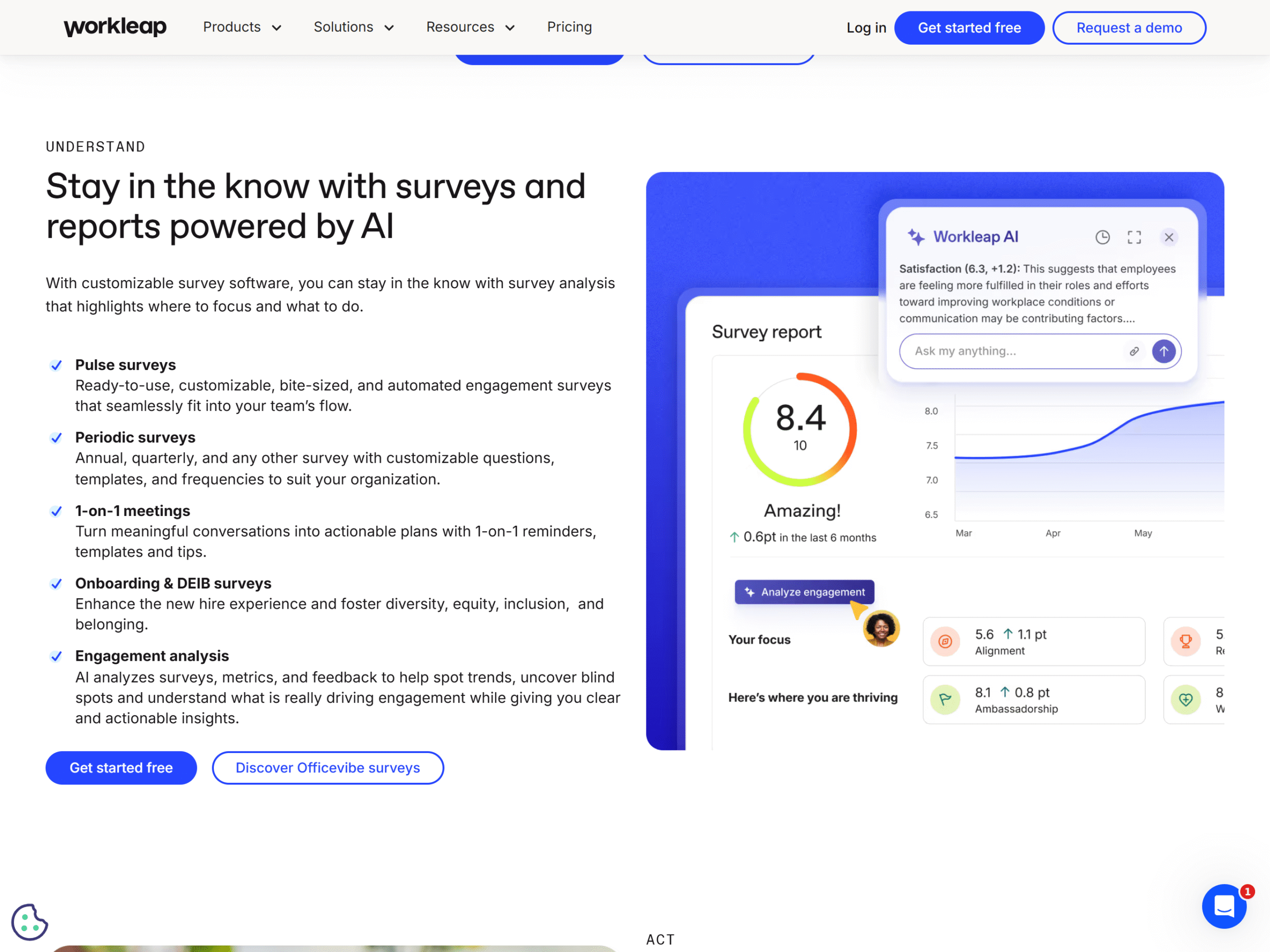
Performance management and engagement are essential for maintaining productivity. Artificial intelligence in HR allows HR teams to collect data from multiple sources, analyze trends, and provide actionable insights. Ai HR tools can track KPIs, highlight top performers, and identify employees who may need support.
HR ai tools help managers understand engagement levels, anticipate potential turnover, and recognize high performers through automated feedback and surveys. AI tools for human resources provide predictive analytics that can guide decisions about promotions, rewards, and talent development.
Using AI in performance management ensures that decisions are based on data, reduces bias, and allows for timely interventions that improve morale and retention. This approach ensures that both employees and the organization benefit.
Officevibe is an employee engagement and performance tracking platform that uses ai HR tools to monitor morale, feedback, and team satisfaction. It is a practical application of artificial intelligence in HR, helping organizations track engagement metrics efficiently.
Uses: HR teams can collect feedback via pulse surveys, track engagement trends, and improve employee satisfaction. It helps implement AI tools for human resources in monitoring performance and morale.
Pros:
Cons:
Officevibe demonstrates how AI human resources technology can make employee engagement more measurable and actionable.
TinyPulse collects employee feedback to measure engagement, recognition, and workplace satisfaction. Using ai HR tools provides HR teams with data-driven insights to improve employee experience.
Uses: HR teams can run surveys, monitor feedback trends, and recognize achievements. TinyPulse is a key ai HR solution for organizations applying artificial intelligence in HR to improve engagement.
Pros:
Cons:
TinyPulse is a strong example of HR ai tools supporting continuous employee engagement and performance improvement.
Culture Amp is an employee experience platform that uses AI in HR to provide feedback, performance management, and engagement insights. It helps HR teams implement artificial intelligence in HR strategies for a data-driven approach.
Uses: HR can collect employee feedback, analyze engagement, and measure performance trends. It supports AI human resources initiatives for workforce optimization.
Pros:
Cons:
Culture Amp illustrates AI tools for human resources applied to engagement, performance, and employee experience.
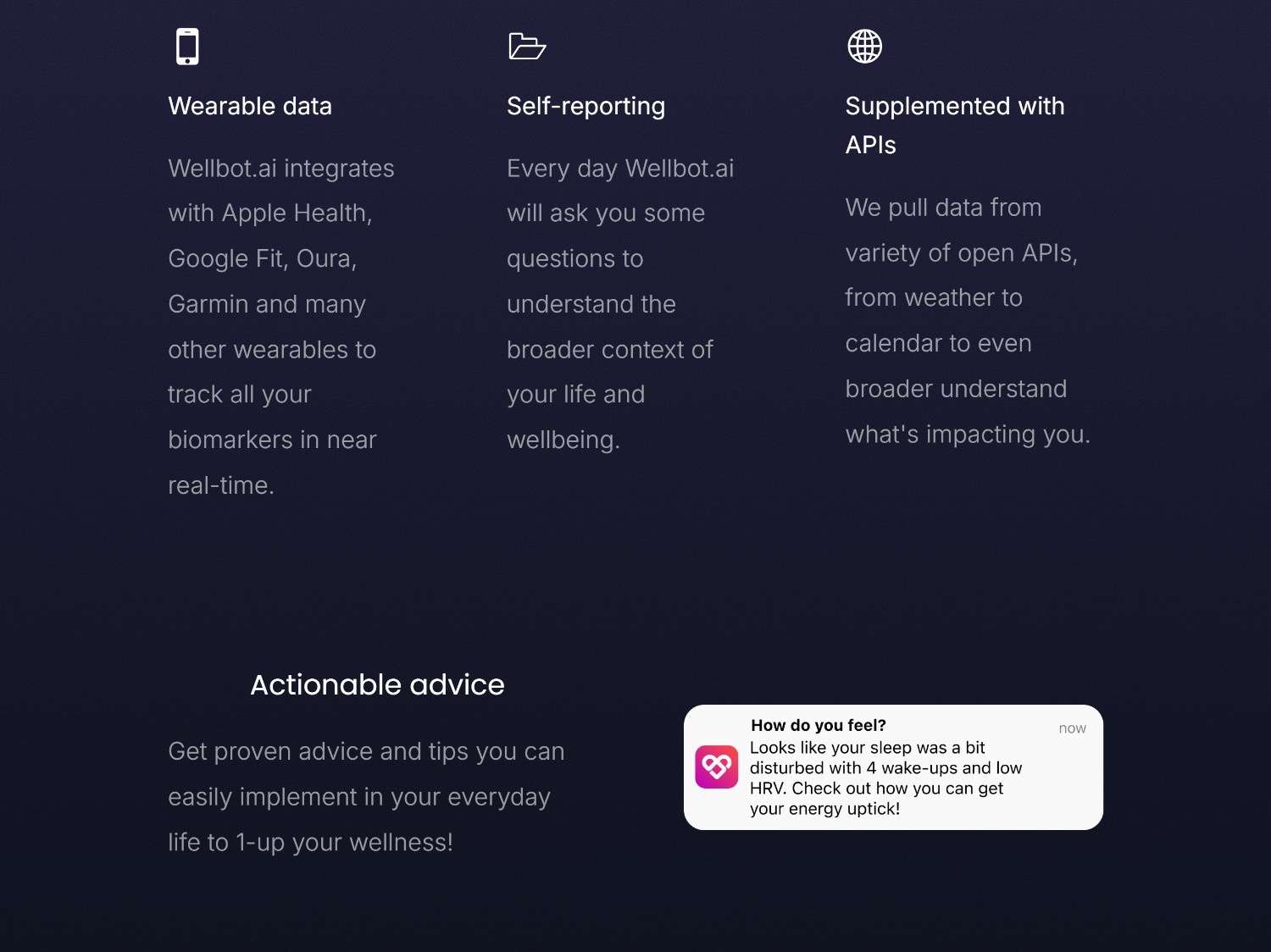
Employee well-being is crucial for long-term productivity. AI human resources solutions monitor stress, workload, and burnout risk, providing data-driven recommendations for intervention. Artificial intelligence in HR can help HR teams design wellness programs, track employee satisfaction, and promote work-life balance.
Ai HR tools identify potential issues before they escalate and offer personalized suggestions for wellness initiatives. HR ai tools can also integrate with mental health apps, wellness platforms, and communication tools to create a comprehensive wellbeing strategy.
By using AI tools for human resources, organizations can improve overall employee happiness, reduce absenteeism, and foster a healthier workplace culture. Well-being data can also guide HR policies for long-term improvement.
Wellable is a wellness platform that allows HR teams to run health programs and track employee well-being. Using ai HR, it helps HR teams manage wellness initiatives and monitor participation efficiently.
Uses: HR teams use Wellable to run fitness challenges, wellness programs, and engagement campaigns. It is a part of artificial intelligence in HR, providing actionable insights to improve workforce health.
Pros:
Cons:
Wellable demonstrates AI human resources applications for health and engagement initiatives.
Personify Health is a platform for employee health, engagement, and well-being. It leverages AI in HR to track wellness initiatives and improve overall employee satisfaction.
Uses: HR teams can monitor health programs, track metrics, and run engagement campaigns. It exemplifies ai HR tools in action for employee well-being.
Pros:
Cons:
Personify Health integrates artificial intelligence in HR to improve workplace wellbeing and productivity.
Limeade is an employee engagement and well-being platform using ai HR tools to foster a healthy work culture. It allows HR teams to collect feedback, track engagement, and implement wellness programs.
Uses: Run surveys, recognition programs, and wellness campaigns. Supports AI human resources initiatives focused on engagement and culture.
Pros:
Cons:
Limeade exemplifies AI tools for human resources, improving employee engagement and overall HR efficiency.
Calendly is a scheduling tool that automates meeting and interview planning. Using ai HR, HR teams can streamline recruitment, interviews, and internal meetings, reducing back-and-forth communication.
Uses: Schedule interviews, employee meetings, onboarding sessions, and performance reviews efficiently. Integrates AI tools for human resources by freeing up HR time for strategic tasks.
Pros:
Cons:
Calendly demonstrates how HR ai tools can improve efficiency and optimize scheduling processes for HR teams.
Tool Name | Free Plan Features | Primary Use Case | Pros | Cons |
Zoho Recruit | 1 active job, candidate management | Hiring & Recruitment | Free forever, simple ATS | Limited jobs, fewer advanced features |
HireEZ | Candidate sourcing, ranking (trial) | Recruitment | Automates sourcing, speeds hiring | Limited trial features |
Freshteam | ATS for up to 50 employees | Hiring & Onboarding | User-friendly, small team support | Advanced features paid-only |
EdApp | Microlearning courses | Training Employees | Gamified learning, mobile-friendly | Limited analytics |
Skillshare | Free trial access | Employee Upskilling | Large course library | Paid subscription for full access |
LearnUpon | LMS trial | Employee Training | Structured training programs | Trial only |
When I Work | Shift scheduling | Staff Scheduling | Free for small teams, easy scheduling | Limited features |
Homebase | Scheduling, time tracking | Staff Scheduling | Free small team plan | Advanced reporting paid |
7shifts | Shift scheduling | Staff Scheduling | Simple, free for small teams | Paid for multiple locations |
MentorcliQ | Trial mentoring programs | Leadership Development | Supports internal growth | Trial only |
CHRonus | Mentorship programs | Leadership Development | Structured programs | Trial only |
EdApp Leadership | Free leadership courses | Leadership Development | Mobile-friendly, free courses | Limited customization |
Zapier | Automation for apps | HR Task Automation | Saves time, reduces errors | Free tier limited tasks |
IFTTT | App automation | HR Task Automation | Simple, free integrations | Limited workflow complexity |
Power Automate | Automation with Office 365 | HR Task Automation | Connects apps, free for Office users | Limited runs on the free plan |
Leena AI | HR chatbot trial | HR Support & Helpdesk | Reduces workload | Limited free features |
Espressive | Demo | HR Virtual Assistant | Reduces repetitive queries | Paid for full features |
Officevibe | Engagement surveys, analytics | Employee Engagement | Free plan for small teams | Limited analytics |
TinyPulse | Feedback & engagement | Employee Engagement | Collects insights | Trial only |
Culture Amp | Feedback & performance trial | Employee Engagement | Data-driven insights | Paid for full features |
Wellable | Wellness tracking trial | Employee Wellbeing | Promotes a healthy workforce | Trial limited |
Personify Health | Wellness trial | Employee Wellbeing | Improves engagement | Paid for full features |
Limeade | Wellbeing & recognition trial | Employee Wellbeing | Supports wellbeing initiatives | Trial limited |
Calendly | Basic scheduling | Interview & Meeting Scheduling | Automates scheduling, free plan | Limited event types |
|
Before implementing AI human resources solutions, HR teams need a clear strategy. Artificial intelligence in HR is powerful, but its effectiveness depends on proper planning, compliance, and training. HR leaders must consider privacy, ethical use, and employee trust.
AI tools for human resources should complement human judgment, not replace it. Understanding capabilities, limitations, and potential risks is crucial for successful adoption. Regular monitoring, feedback loops, and staff training ensure that AI solutions deliver consistent value without unintended consequences.
By integrating AI thoughtfully, HR teams can improve operational efficiency, employee experience, and strategic outcomes, all while maintaining a human-centered approach.
Identify high-priority HR processes that consume the most time or create errors. Implementing ai HR tools for these tasks first ensures maximum impact. Artificial intelligence in HR can then be scaled gradually to cover additional workflows while maintaining efficiency.
Select ai HR tools that simplify processes and enhance decision-making. The right tools reduce manual effort, improve accuracy, and free HR professionals to focus on strategic initiatives. AI in HR should always support the team, not complicate workflows.
Pilot programs are essential. Using AI human resources tools in a limited scope allows HR teams to evaluate effectiveness, gather feedback, and make adjustments. HR ai tools perform best when continuously refined based on real-world use.
Many platforms now include AI features. Leveraging existing ai HR tools or modules in your HR software saves cost and ensures smoother integration. Artificial intelligence in HR is most effective when combined with familiar systems.
AI tools handle sensitive employee information. Compliance with privacy laws, security standards, and ethical guidelines is essential. HR ai tools must be used responsibly to protect both employees and the organization.
Effective use of AI tools for human resources requires training. Staff should understand features, workflows, and best practices. Artificial intelligence in HR works best when employees are confident and capable of using it correctly.
Ai HR solutions should assist employees, reduce repetitive work, and provide insights, but not replace human judgment. HR ai tools enhance productivity while keeping human expertise central to decision-making.
Employees should understand how AI impacts their daily work. Training with AI tools for human resources ensures smooth adoption, reduces resistance, and improves outcomes. Artificial intelligence in HR is most successful when it is embraced by all stakeholders.
The future of HR lies in the combination of humans and AI. By integrating AI in HR tools thoughtfully, organizations can improve productivity, engagement, and decision-making. Ai HR tools do not replace human expertise—they amplify it.
Artificial intelligence in HR is no longer optional; it is a critical component for HR teams that want to stay competitive and create a better workplace. By embracing AI human resources, HR leaders can streamline processes, enhance employee experience, and make data-driven decisions that drive organizational success.
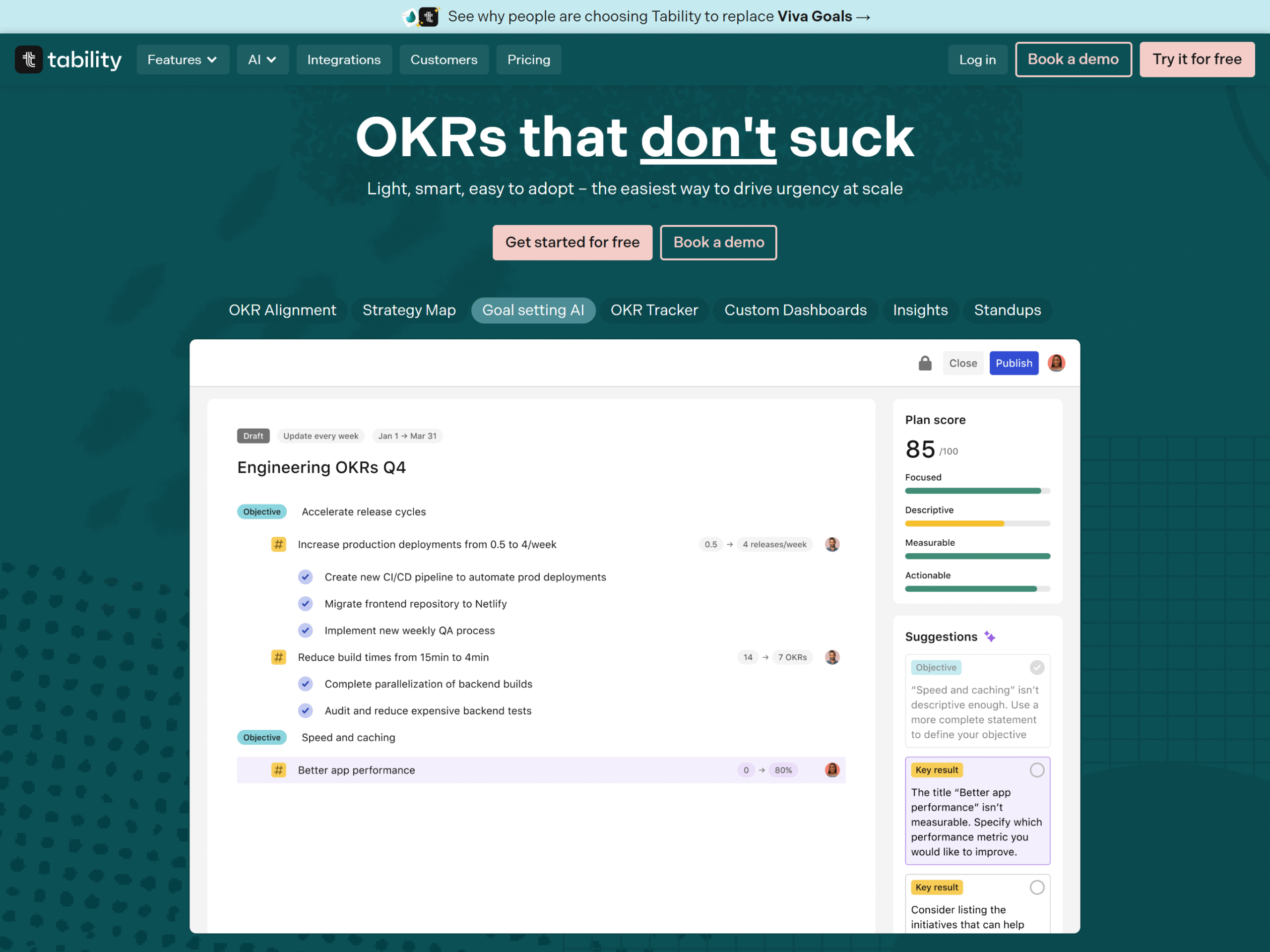
The integration of artificial intelligence in HR is transforming human resources management by automating repetitive tasks, improving decision-making, and enhancing employee experiences. Free AI tools like Zoho Recruit, HireEZ, ChatGPT, Notion, Trello, Zapier, Clockify, Leena AI, Officevibe, and Calendly provide HR teams with powerful capabilities at minimal cost.
Using these ai HR tools, HR professionals can streamline recruitment, training, performance management, scheduling, and engagement processes while maintaining human oversight. The combination of AI technology with human expertise ensures that HR remains strategic, efficient, and people-focused.
For companies exploring AI tools for human resources, these tools demonstrate that AI can be accessible, practical, and transformative — helping HR teams work smarter, not harder. By carefully selecting and integrating the right free AI solutions, organizations can achieve a future where AI in HR supports better hiring, engagement, and workforce management while keeping human judgment central.